Your air conditioning system works continuously to maintain a comfortable indoor temperature, especially during hot weather. Over time, dust, dirt, grease, and debris accumulate on the coils, which reduces cooling efficiency and increases energy consumption. This buildup forces the system to work harder, leading to poor performance and higher electricity bills. Regular HVAC coil cleaning is essential to keep your system running smoothly and efficiently.
At AC Bio Clean, we provide commercial HVAC coil cleaning in Hollywood, FL designed to improve system performance, reduce energy costs, and extend equipment lifespan through professional care and maintenance.
Understanding HVAC Coils and Their Function
HVAC coil cleaning is the process of removing dust, dirt, grease, and debris from the heating, ventilation, and air conditioning system’s coils to maintain proper cooling and heating performance. The coils are one of the most important parts of an HVAC system because they are responsible for heat transfer, helping cool or warm the air that circulates inside a building.
Over time, these coils naturally collect buildup from the air, especially in dusty or high usage environments. When this happens, the system has to work harder to maintain temperature, which reduces efficiency and increases energy costs.
Types of HVAC Coils
There are two main types of coils in an HVAC system:
Evaporator Coil Cleaning (Indoor Unit) – This coil absorbs heat from indoor air and helps cool it before circulating fresh air back into your space.
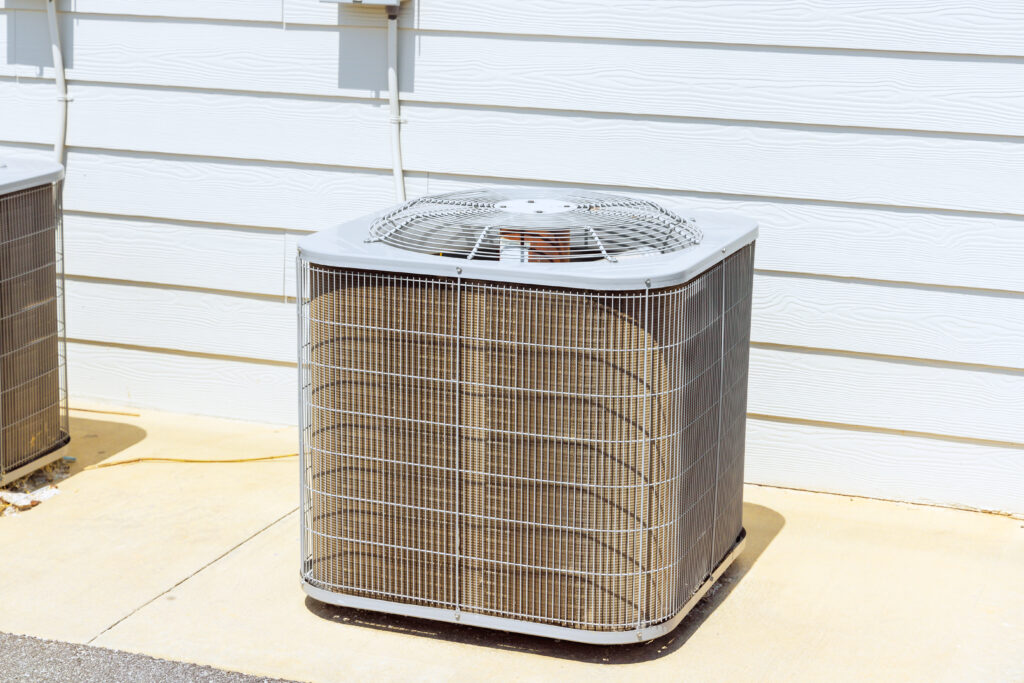
Condenser Coil Cleaning (Outdoor Unit) – This coil releases absorbed heat outside and allows the refrigerant to cool down for the next cycle.
Both coils are essential for proper cooling system performance and require regular HVAC maintenance coil cleaning to function efficiently.
Signs Your HVAC Coils Need Cleaning
- Weak airflow or poor cooling performance.
- Higher than normal energy bills.
- AC unit running longer than usual.
- Visible dust, dirt, or mold buildup.
- Ice formation on evaporator coils.
These issues often indicate that your system needs cooling system maintenance and deep cleaning. If you notice these signs, it may be a good idea to arrange professional AC maintenance.
Step-by-Step Guide: How to Clean HVAC Coils
1. How to Clean HVAC Evaporator Coils (Indoor Coils)
Proper evaporator coil cleaning includes safe removal of dust and buildup inside the indoor unit:
- Turn off the power supply
- Open access panel carefully
- Remove dust using a soft brush or vacuum
- Apply a no-rinse coil cleaner
- Clean the drain pan and drain line
- Reassemble and restart the system
This process is an important part of routine HVAC maintenance for better cooling efficiency.
Pro Tip: Don’t use too much water on evaporator coils because it can cause mold and extra moisture to build up.
2. How to Clean HVAC Condenser Coils (Outdoor Coils)
Tools required: hose, coil cleaner, brush, fin comb (optional). Outdoor units require proper condenser coil cleaning to maintain heat release efficiency:
- Shut off the system power
- Remove debris around the unit
- Rinse coils gently using low-pressure water
- Apply foaming coil cleaner
- Let it sit and rinse thoroughly
- Restore power after drying
Regular cleaning supports overall system performance and prevents breakdowns.
Why HVAC Coil Cleaning is Important
HVAC coil cleaning is important because it directly affects the performance, efficiency, and lifespan of your heating and cooling system. Over time, dust, dirt, and debris build up on the coils, which reduces their ability to transfer heat properly. This makes the system work harder to maintain the desired temperature, leading to higher energy consumption and increased utility bills. Regular coil cleaning helps restore proper airflow, improve cooling efficiency, and ensure the HVAC system operates smoothly without unnecessary strain. It also helps prevent breakdowns, reduces maintenance costs, and improves indoor air quality by limiting the spread of dust and contaminants throughout the space.
When to Call an Expert for HVAC Coil Cleaning
DIY cleaning can help, but sometimes professional service is the better option. You should call an expert if your coils are badly clogged or frozen, if you see refrigerant leaks or mold, or if your energy bills keep going up even after cleaning. It’s also best to get professional help if you are not comfortable opening the HVAC system or dealing with electrical parts.
The Benefits of HVAC Coil Cleaning
- Improves overall cooling and heating efficiency
- Reduces energy consumption and lowers utility bills
- Enhances airflow and system performance
- Prevents dust, dirt, and debris buildup
- Extends the lifespan of the HVAC system
- Reduces risk of breakdowns and costly repairs
- Improves indoor air quality and comfort
- Helps maintain consistent temperature control
- Supports better system reliability and performance
- Reduces strain on HVAC components during operation
Final Thoughts
HVAC coil cleaning is a simple but essential maintenance process that keeps your system running efficiently. Clean coils help improve airflow, reduce energy usage, and ensure your HVAC system performs at its best throughout the year.
FAQS
Can I clean HVAC coils myself?
Yes, you can do basic cleaning, but professional cleaning is recommended for deep and safe results.
How much does HVAC coil cleaning cost?
The cost of HVAC coil cleaning usually depends on system size, condition, and service type, but professional cleaning typically ranges from basic maintenance to more detailed deep cleaning services.
Is professional HVAC coil cleaning better than DIY?
Yes, professional cleaning ensures deep removal of dirt and debris, improving system lifespan and reducing maintenance issues.